Go on, click the duck
Quacks so far: 0
Ducks are much odder
than they let on.
Sixteen of them photographed properly, 250 facts about them, the four things everyone gets wrong, and a straight-faced manual for looking after one — which you should read before you get one, not after.
The short version
species in the duck, goose and swan family Anatidae
of them is the reason you think ducks say quack
the drop a day-old wood duck will jump, and walk away from
A fact, on demand
Voice
The quack everyone imitates is a female mallard's. Drakes manage only a quiet, rasping two-note wheeze.
1 of 250
250 facts, in 10 groups, shuffled so you do not get the same one twice until you have seen them all. Written from standard references; the four that everybody repeats and gets wrong are argued out on the facts page.
Where to go
Meet the flock
Mallards, mandarins, a duck that lives in rapids and breaks its own bones, and one that hisses instead of quacking.
Look at ducks Four mythsFacts & myths
The echo thing is wrong. The quacking thing is mostly wrong. The frozen-feet thing has a genuinely lovely explanation.
Settle it Form D-1The Duck Owner's Manual
Care and training of your duck, in the format of the 1975 Pet Rock manual. Eleven sections, no warranty, and every joke sitting on top of something true.
Read before acquiring a duck Who's thisWho's running this?
The same person who runs goincognito.org, the same cycling city, and the same absence of ads.
Find outA few of them
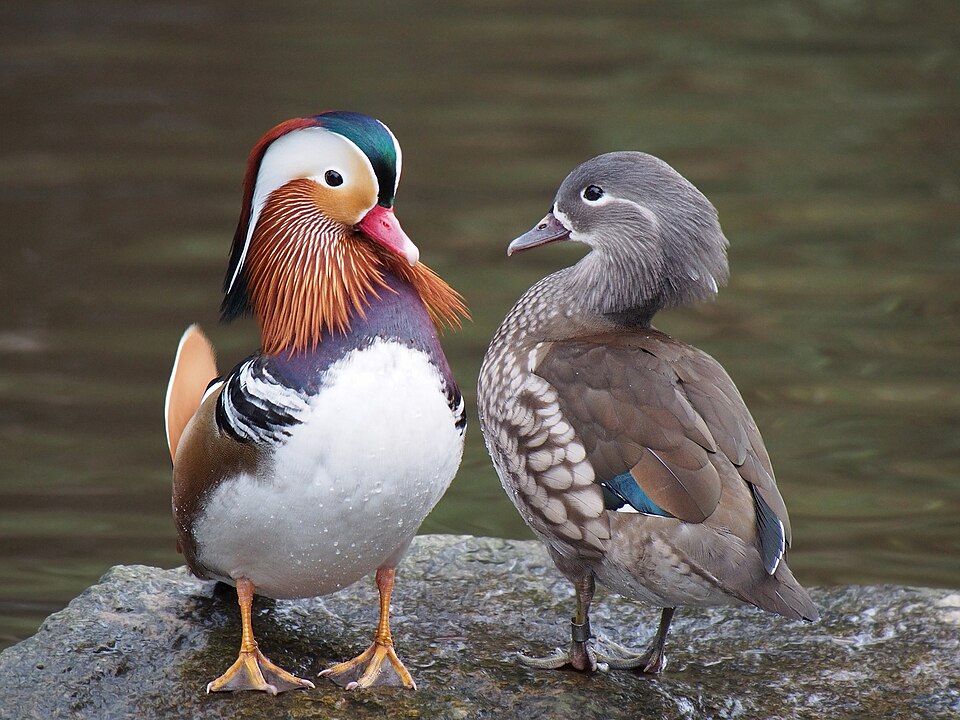
Mandarin duck
Aix galericulataEscaped from ornamental collections and now breeds wild in Britain, which is a strange fate for an East Asian duck.
Photo by Francis C. Franklin, CC BY-SA 3.0
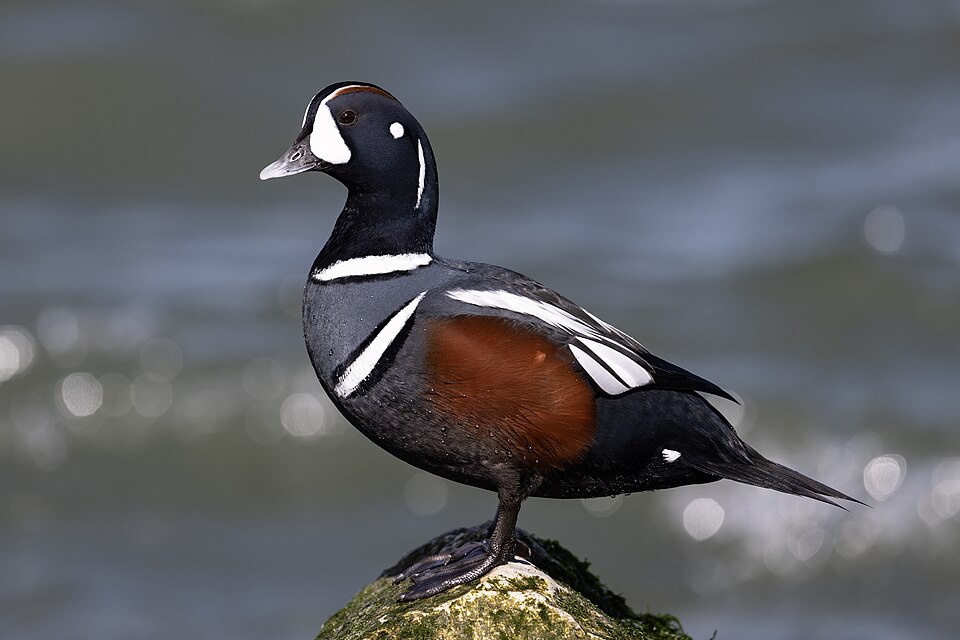
Harlequin duck
Histrionicus histrionicusLives in whitewater rapids on purpose. Museum skeletons are full of healed fractures.
Photo by Chuck Homler d/b/a Focus On Wildlife, CC BY-SA 4.0
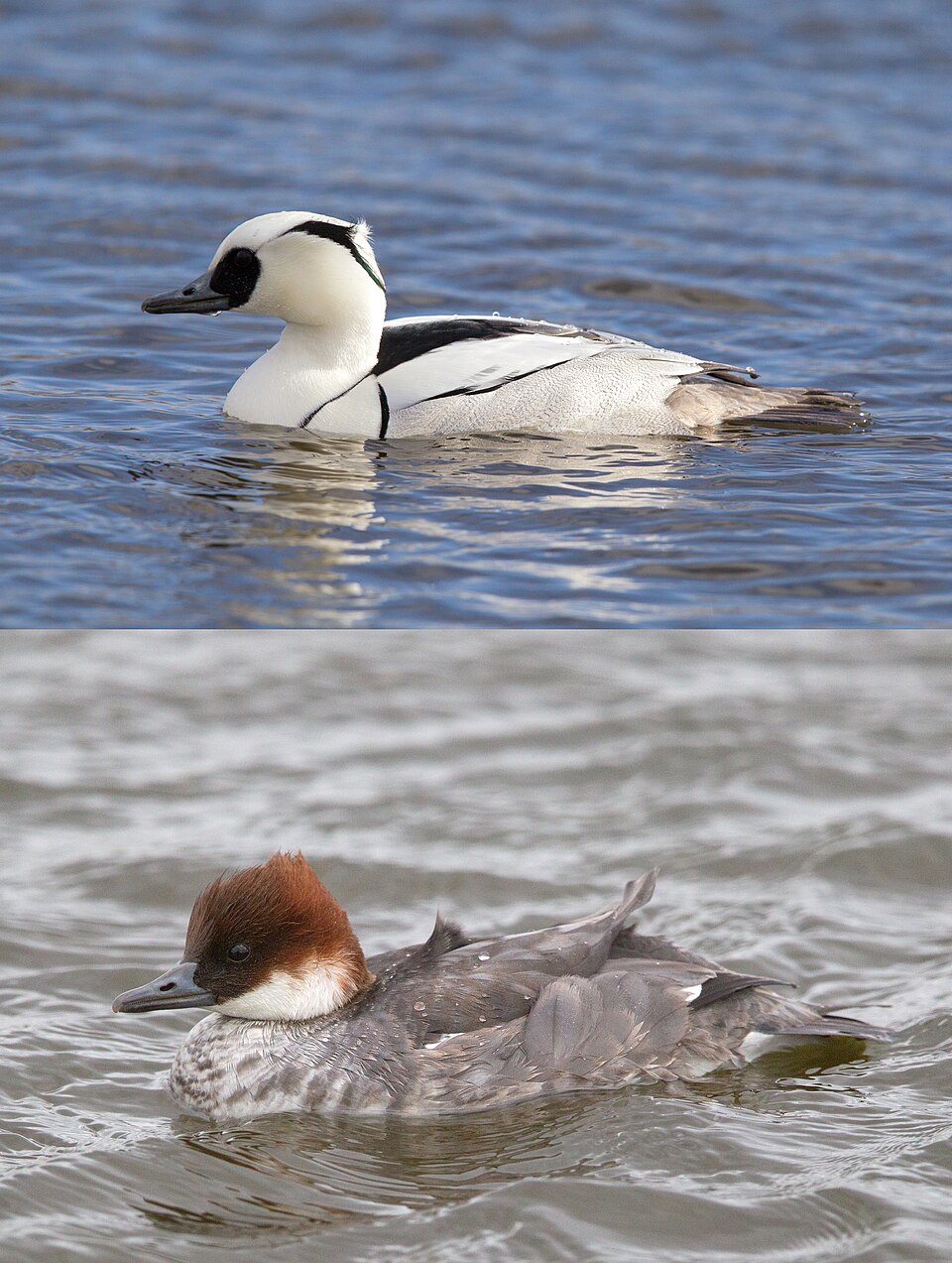
Smew
Mergellus albellusThe male's pattern is usually described as cracked ice, and nobody has improved on that.
Photo by Andreas Trepte, CC BY-SA 2.5
One request. If this page talks you into going to look at actual ducks, take oats, peas, sweetcorn or chopped lettuce — not bread. Bread fills them up without feeding them, and the leftovers foul the water.
Nothing on this page is a substitute for standing by a pond in the cold, which is the recommended way to encounter a duck.