The flock
15 species and one duckling. Every photograph comes from Wikimedia Commons and is stored on this server, so looking at this page doesn't tell anyone else that you did.
Sixteen ducks
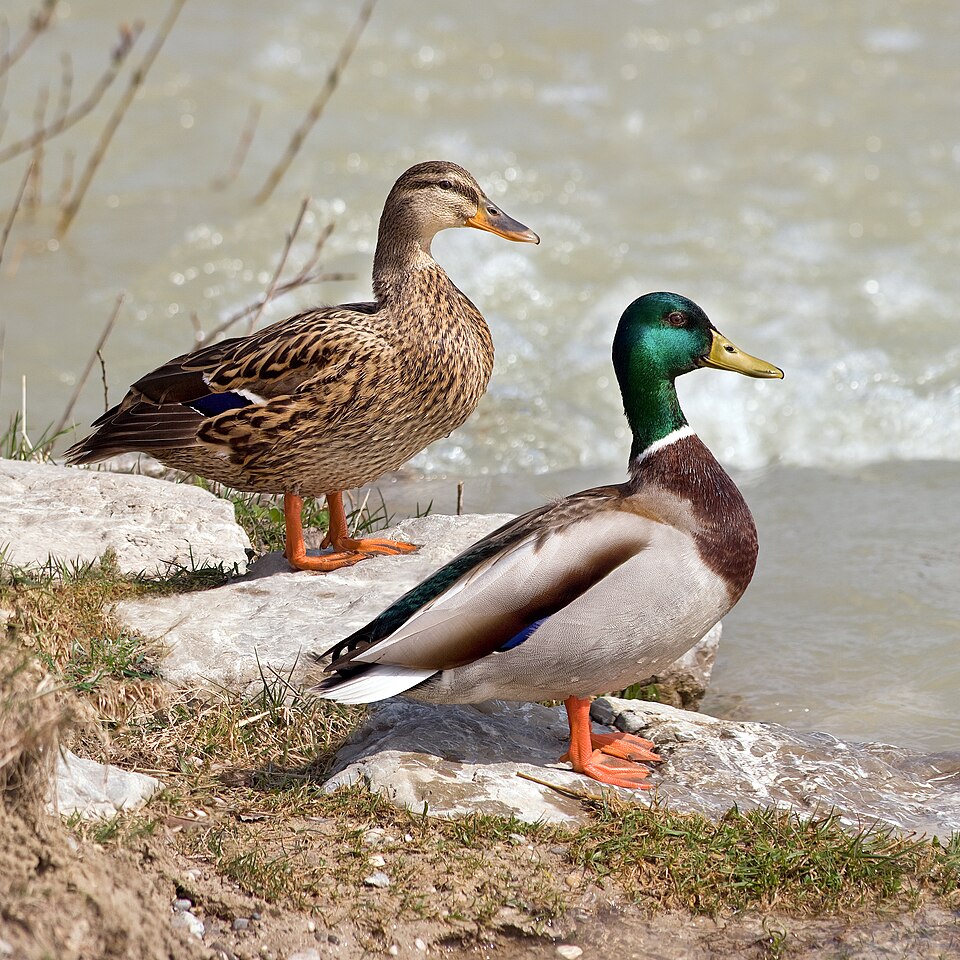
Mallard
Anas platyrhynchosThe duck everyone pictures, and the ancestor of nearly every farmyard duck. Also a serial hybridiser, which is a real problem for its rarer relatives.
Photo by Richard Bartz, CC BY-SA 2.5
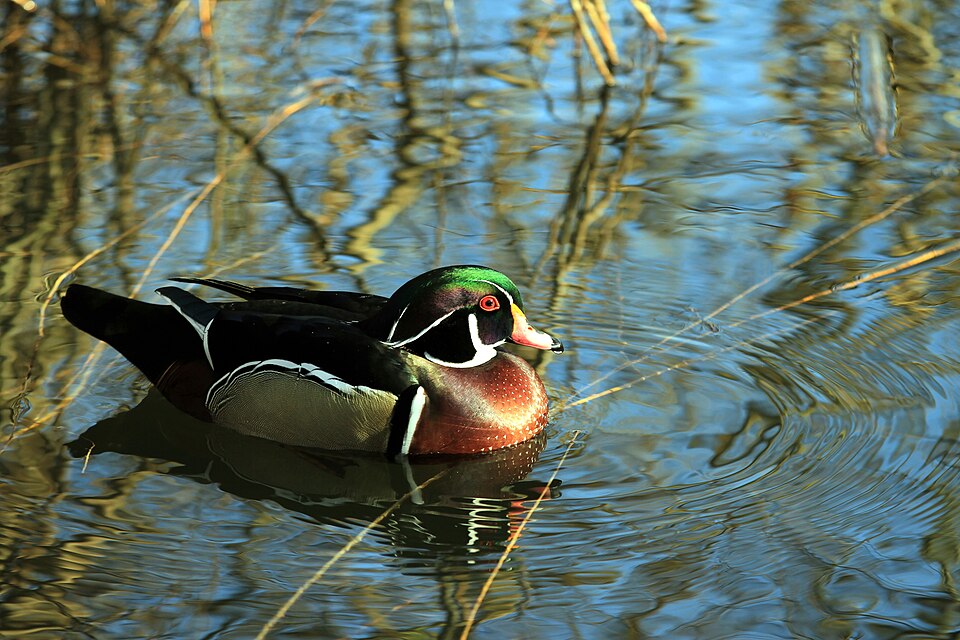
Wood duck
Aix sponsaNests in tree holes. The day after hatching, the ducklings jump out — sometimes from ten metres up — and bounce.
Photo by NoRud, CC BY-SA 4.0
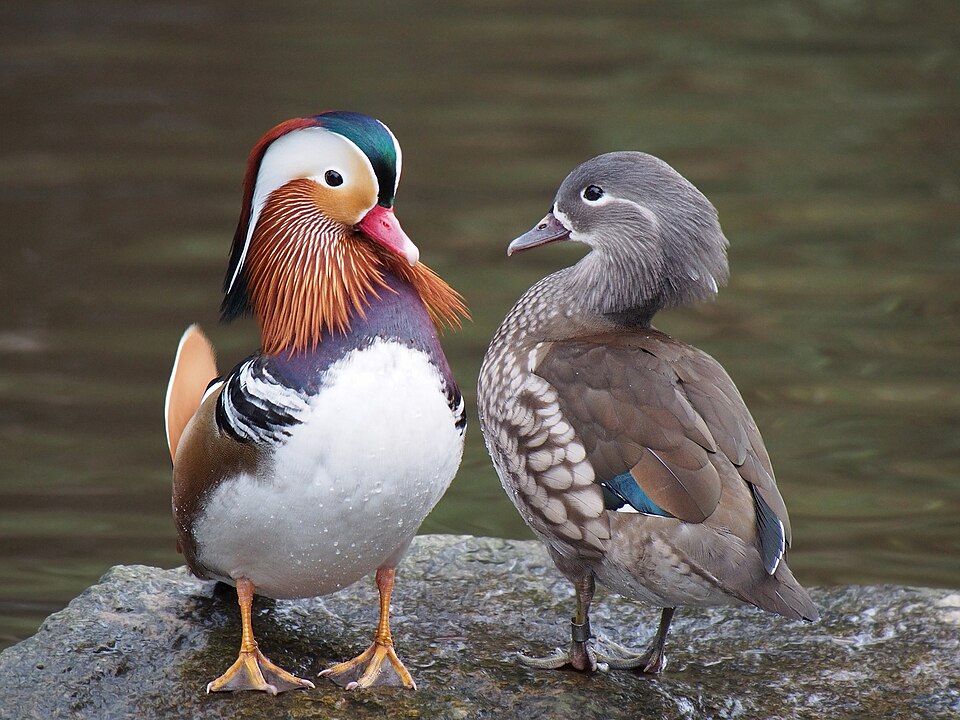
Mandarin duck
Aix galericulataEscaped from ornamental collections and now breeds wild in Britain, which is a strange fate for an East Asian duck.
Photo by Francis C. Franklin, CC BY-SA 3.0
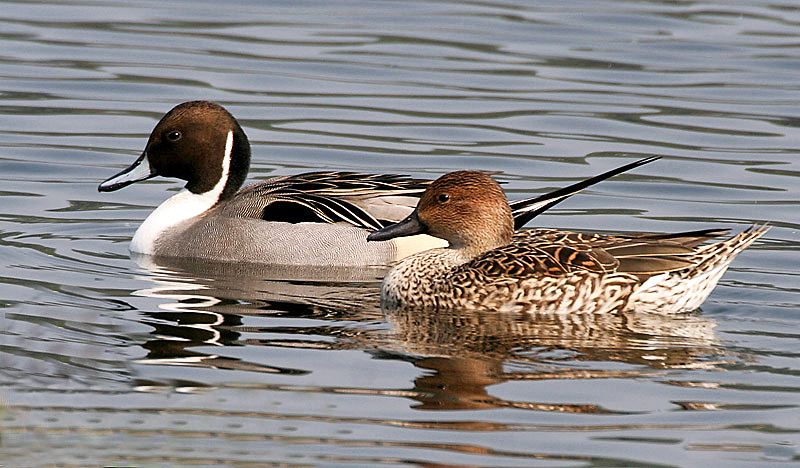
Northern pintail
Anas acutaThose two central tail feathers add a quarter to the male's length. A serious long-distance migrant.
Photo by J.M.Garg, CC BY-SA 3.0
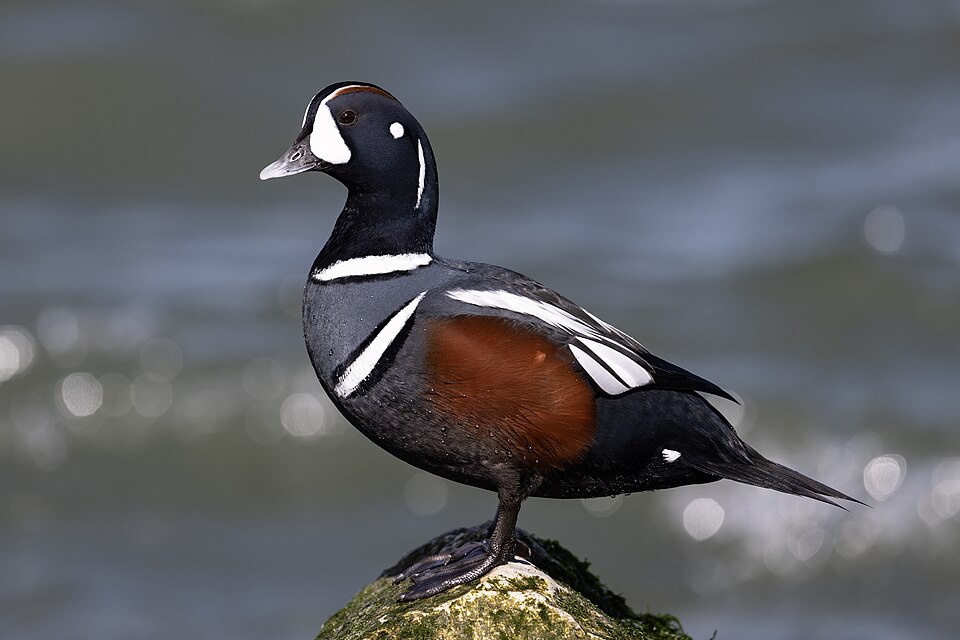
Harlequin duck
Histrionicus histrionicusLives in whitewater rapids on purpose. Museum skeletons are full of healed fractures.
Photo by Chuck Homler d/b/a Focus On Wildlife, CC BY-SA 4.0
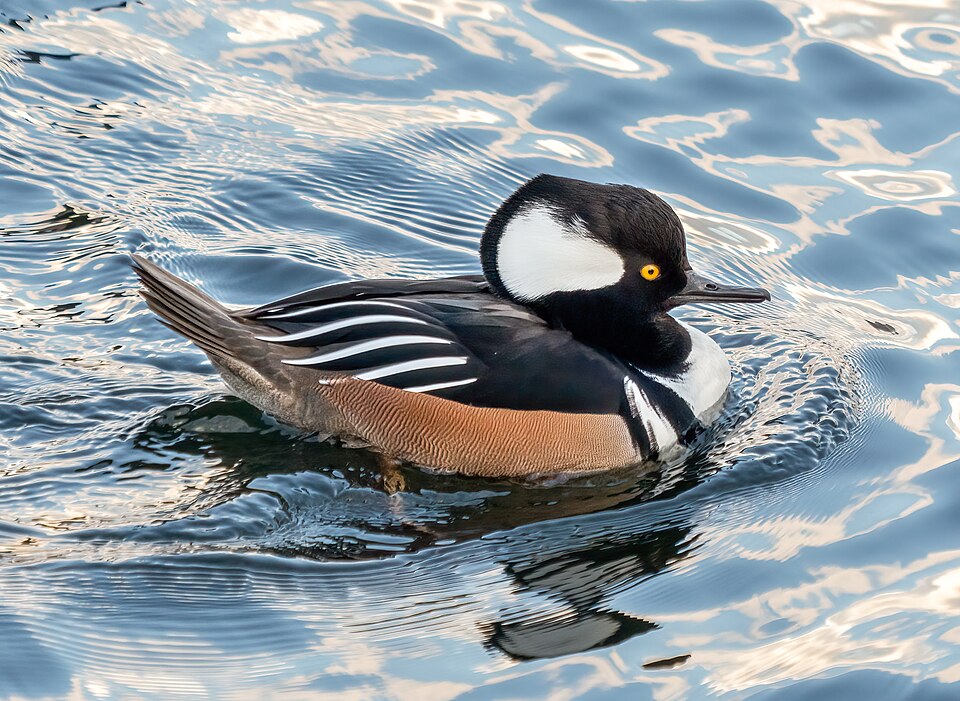
Hooded merganser
Lophodytes cucullatusThat crest goes up and down like a fan, and the thin bill is serrated for holding onto fish.
Photo by Rhododendrites, CC BY-SA 4.0
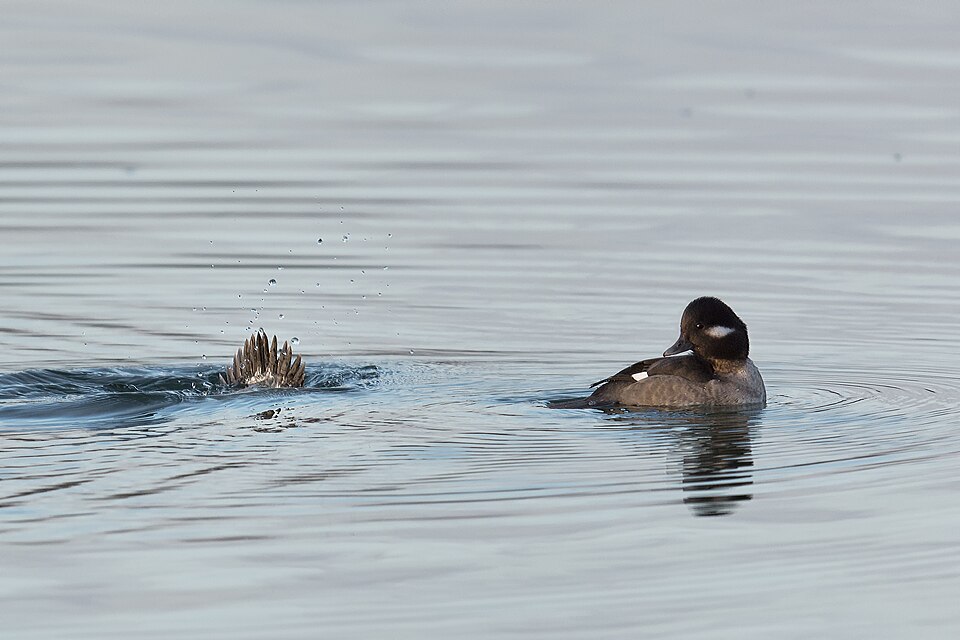
Bufflehead
Bucephala albeolaNamed for a head shaped like a buffalo's. Small enough to nest in old woodpecker holes, which is what limits where it breeds.
Photo by Russ, CC BY 2.0
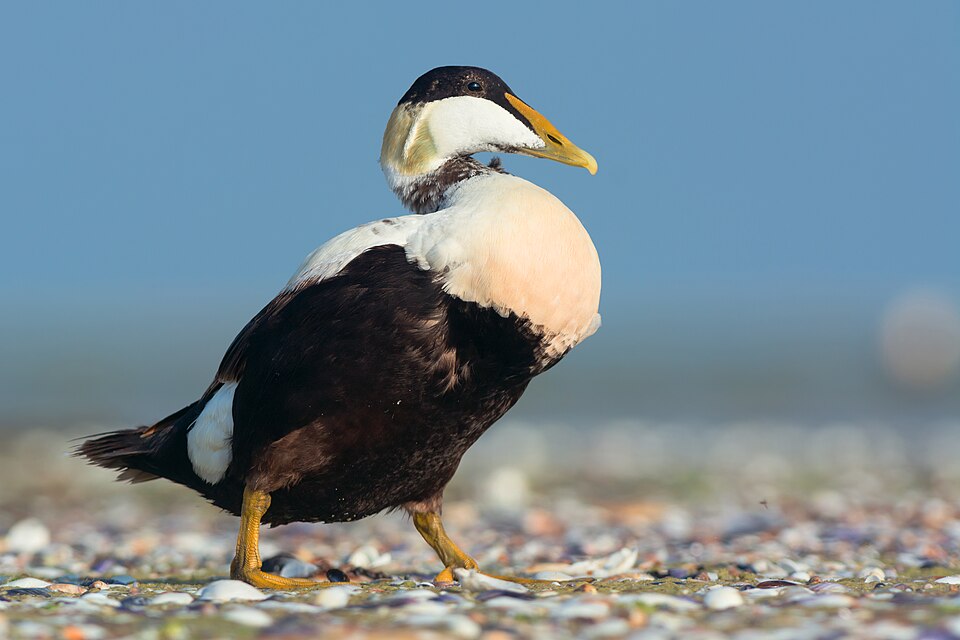
Common eider
Somateria mollissimaSource of eiderdown, still the warmest insulation going. Dives twenty metres to prise mussels off the seabed.
Photo by Ryzhkov Sergey, CC BY-SA 4.0
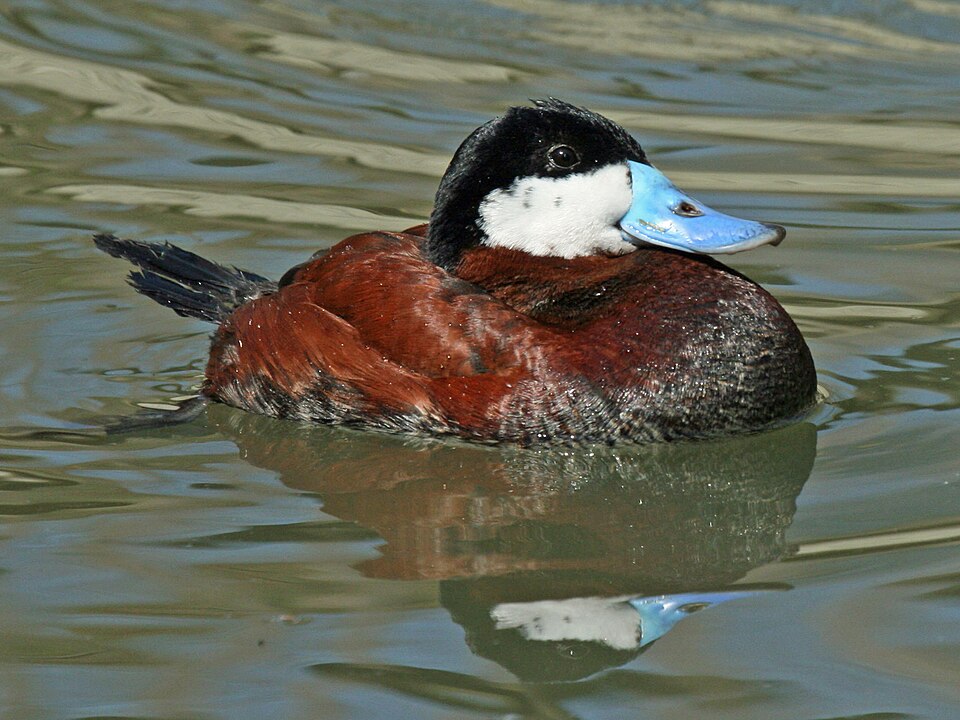
Ruddy duck
Oxyura jamaicensisThe bill really is that blue in spring. Introduced to Europe, where it has been hybridising the white-headed duck out of existence.
Photo by Dick Daniels (http://carolinabirds.org/), CC BY-SA 3.0
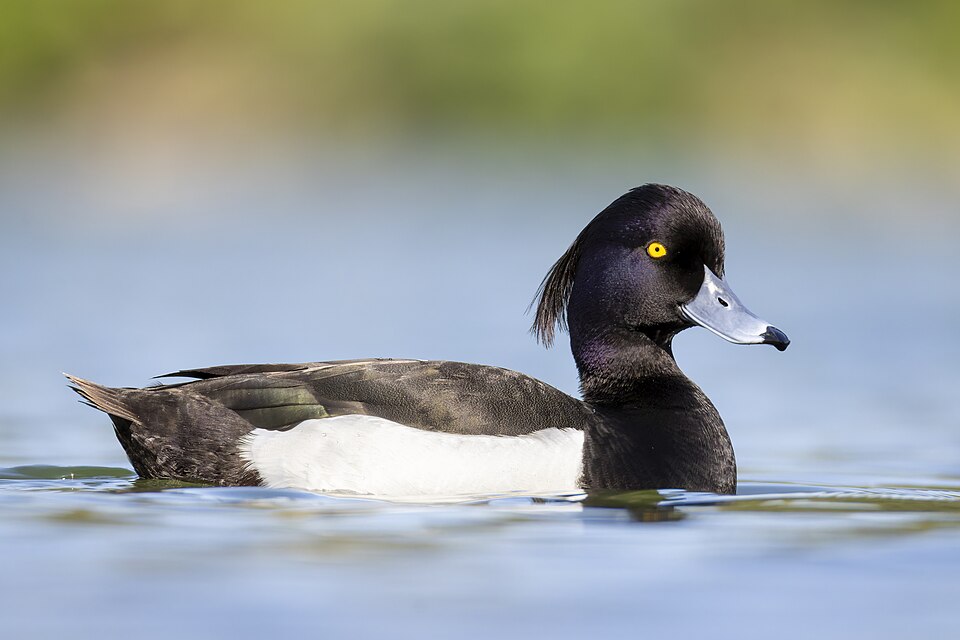
Tufted duck
Aythya fuligulaComes with a ponytail. A diving duck, so it vanishes mid-sentence and surfaces somewhere else.
Photo by Alexis Lours, CC BY 4.0
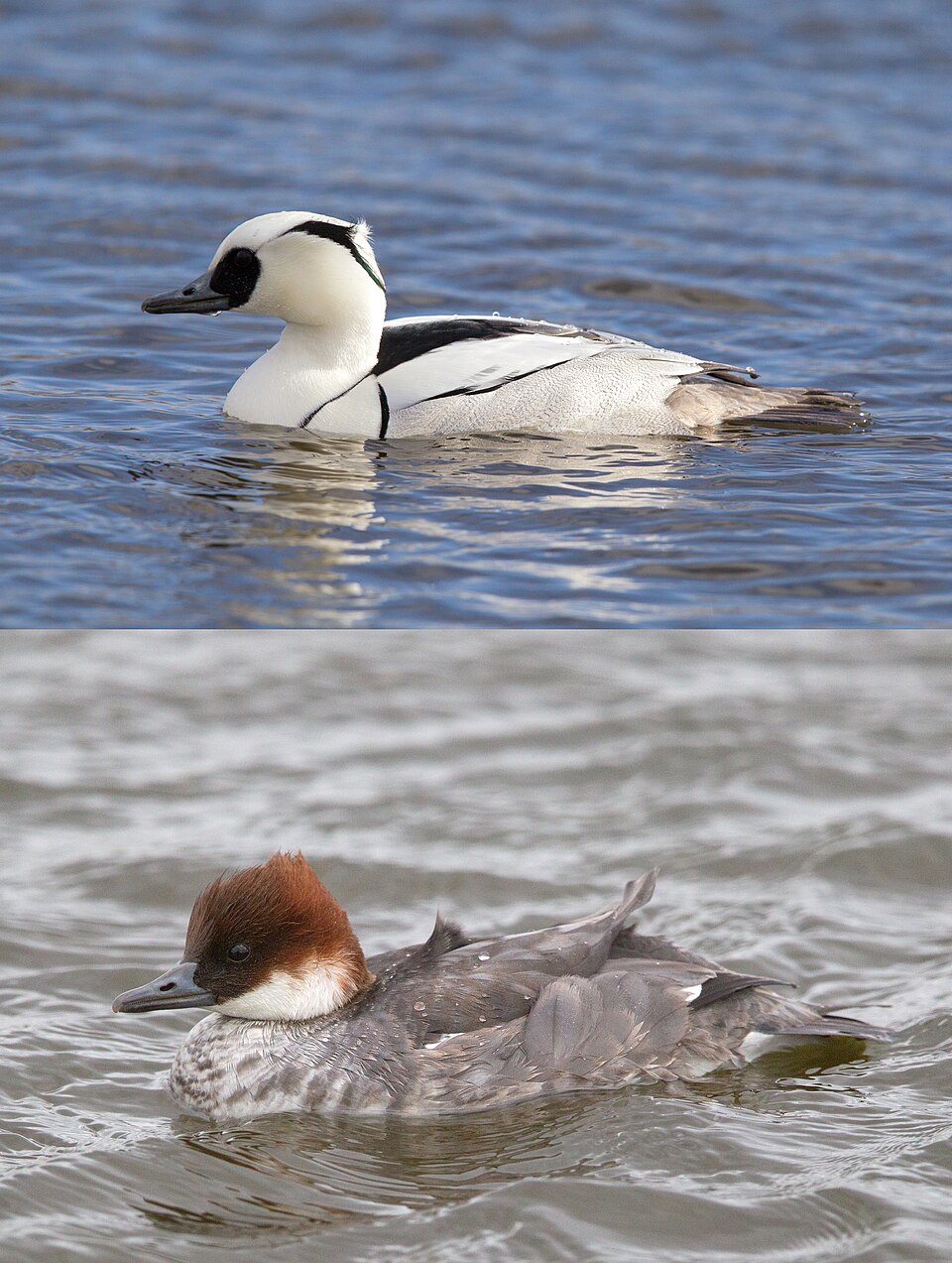
Smew
Mergellus albellusThe male's pattern is usually described as cracked ice, and nobody has improved on that.
Photo by Andreas Trepte, CC BY-SA 2.5
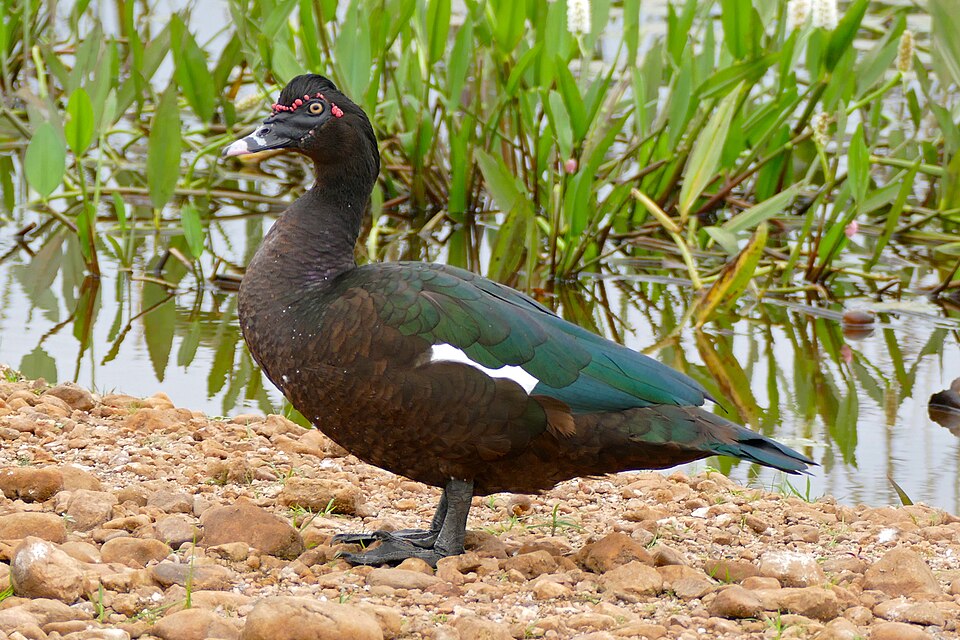
Muscovy duck
Cairina moschataDoesn't quack — hisses. The red warty face is called caruncles, and it is an acquired taste.
Photo by Bernard DUPONT from FRANCE, CC BY-SA 2.0
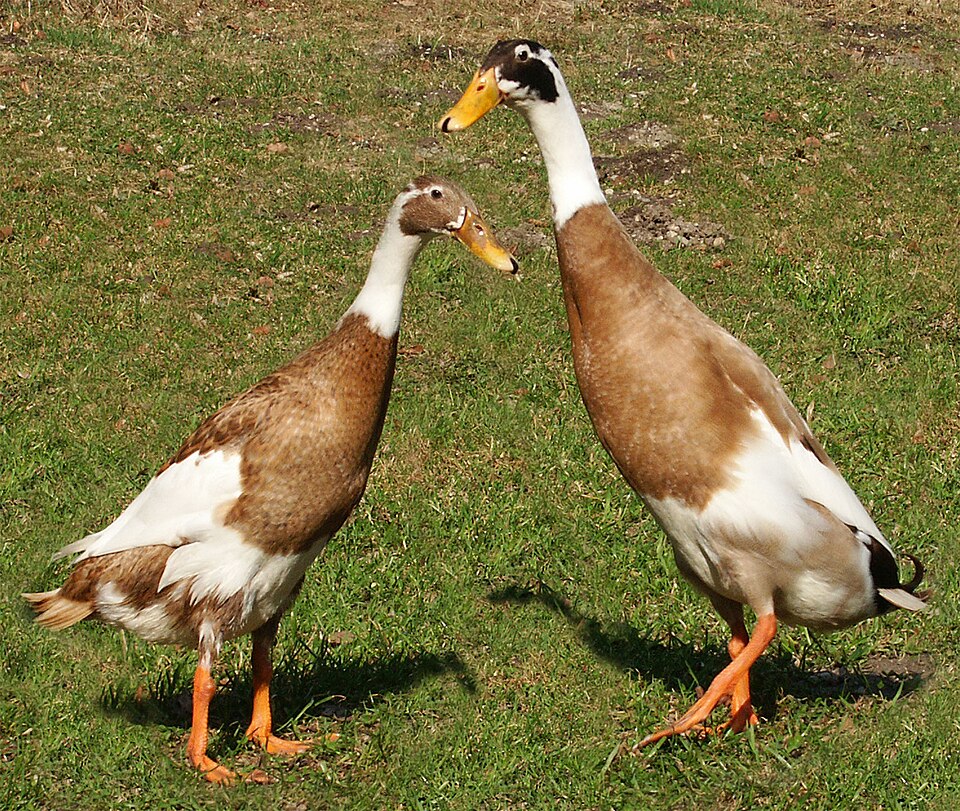
Indian Runner duck
Anas platyrhynchos domesticusBred in South East Asia to walk to the paddy field and back. Stands upright and runs rather than waddles.
Photo by Bjoern Clauss, CC BY-SA 2.5
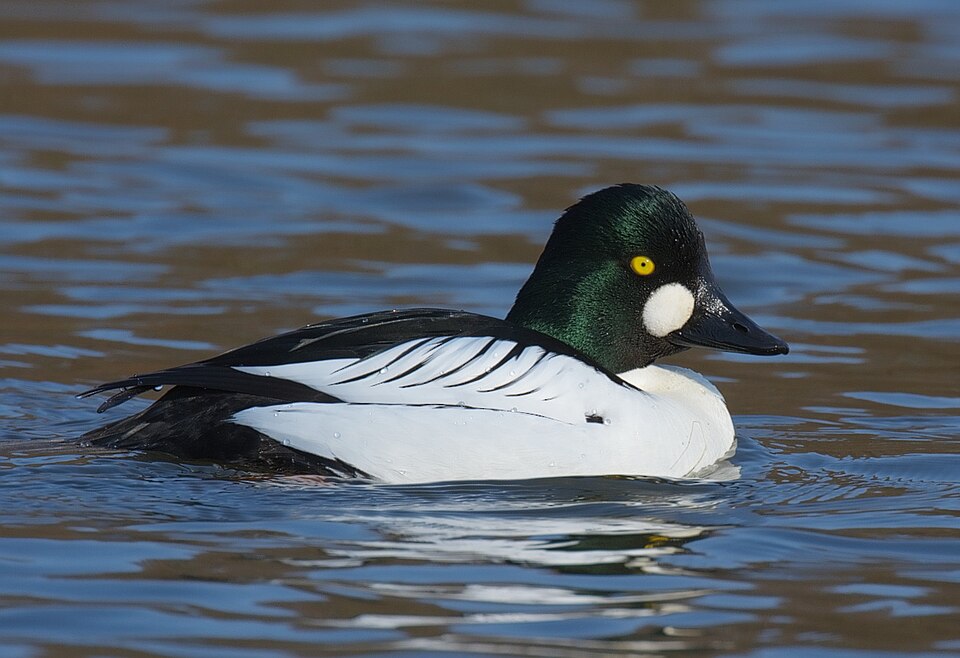
Common goldeneye
Bucephala clangulaKnown as the whistler, for the sound its wings make in flight rather than anything it says.
Photo by https://www.flickr.com/photos/sbern/, CC BY 2.0
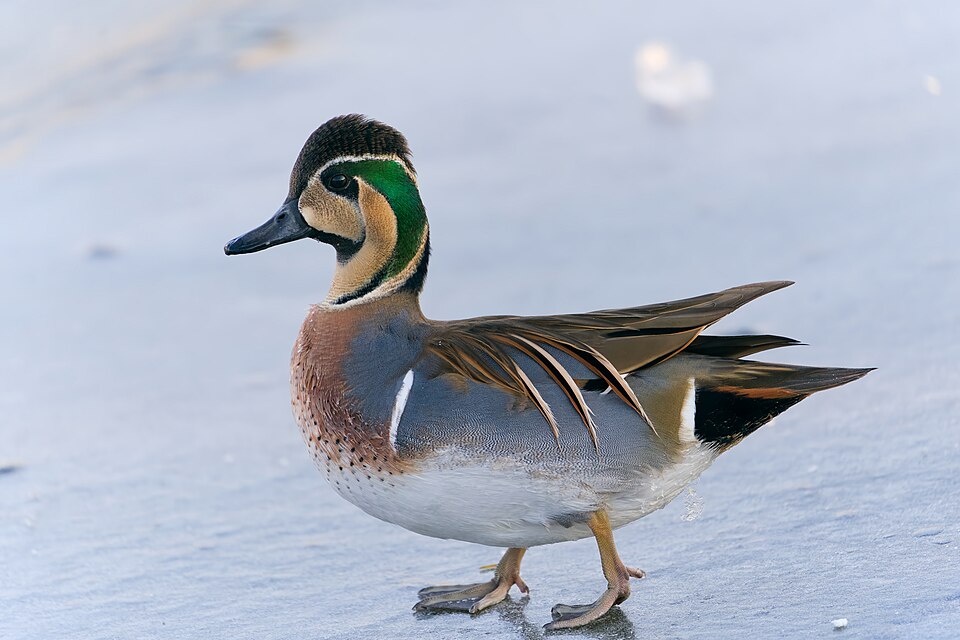
Baikal teal
Sibirionetta formosaWinters in South Korea in flocks of hundreds of thousands that move like one enormous animal.
Photo by Sun Jiao (Interaccoonale), CC BY 4.0
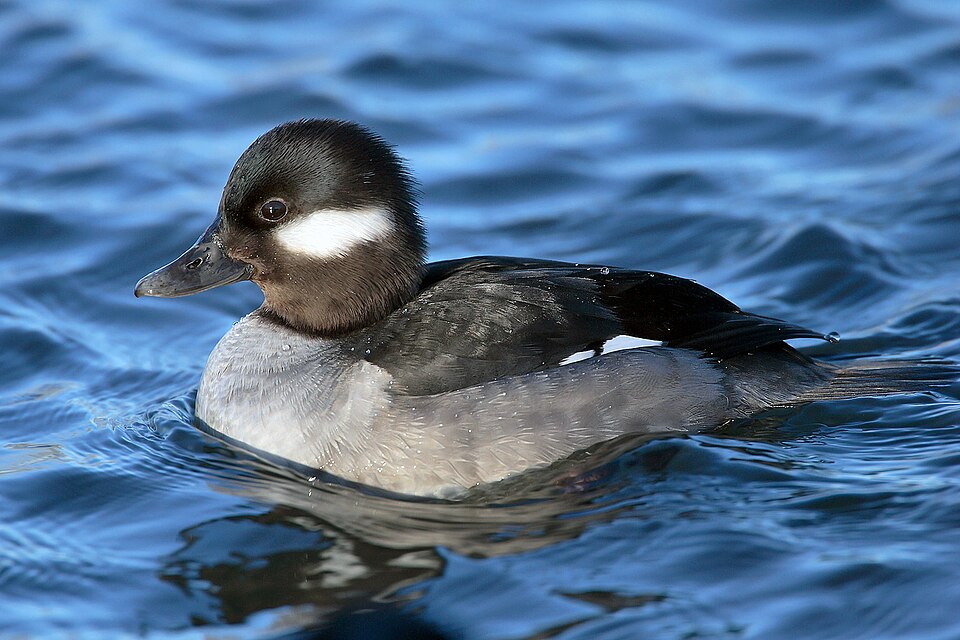
Mallard duckling
Anas platyrhynchosFollows the first suitable thing it sees. Konrad Lorenz got a Nobel Prize partly for noticing that this is how it works.
Photo by Mdf, CC BY-SA 3.0
Sizes vary more than the photographs suggest, since a cropped duck is a duck of any size. There is a chart for that.