Who's running this?
One person, the same one who runs goincognito.org. No company, no funding, nobody paying for placement. It seemed fair to say so there, and it seems fair to say so here too.
Martin Abondano
Somewhere near Lisbon
That field cycles through fifty cities and none of them is mine. It does the same thing on the other site, for the same reason.
Why this site exists
Because the other one is about surveillance and it is a heavy subject, and the duck at the bottom of its about page was getting more attention than some of the guides. So the duck got its own site.
It is also a straightforward excuse to write something with no stakes. Nobody is in danger if a duck fact is dull. That is a nice change.
Same construction as the other site: hand-written HTML, one stylesheet, a couple of small scripts, no framework, no build pipeline, nothing fetched from anyone else at view time. The photographs are copied onto this server instead of hot-linked, and the quack is embedded in the page rather than requested. You can read the whole thing yourself.
One difference worth stating, since the other site promises no storage
at all: this one keeps a single value in localStorage —
whether you chose light or dark. Nothing else, and it never leaves your
machine.
What I get out of it
Nothing, in the same way as the other site. No ads, no affiliate links, no sponsorships, no email list, no analytics. It costs a few dollars a year to host and I would rather that than owe anyone an angle.
Some photos
shenzhen-hkg-italy-26
Metadata stripped before upload, which is the sort of thing you start doing after writing a guide about it.





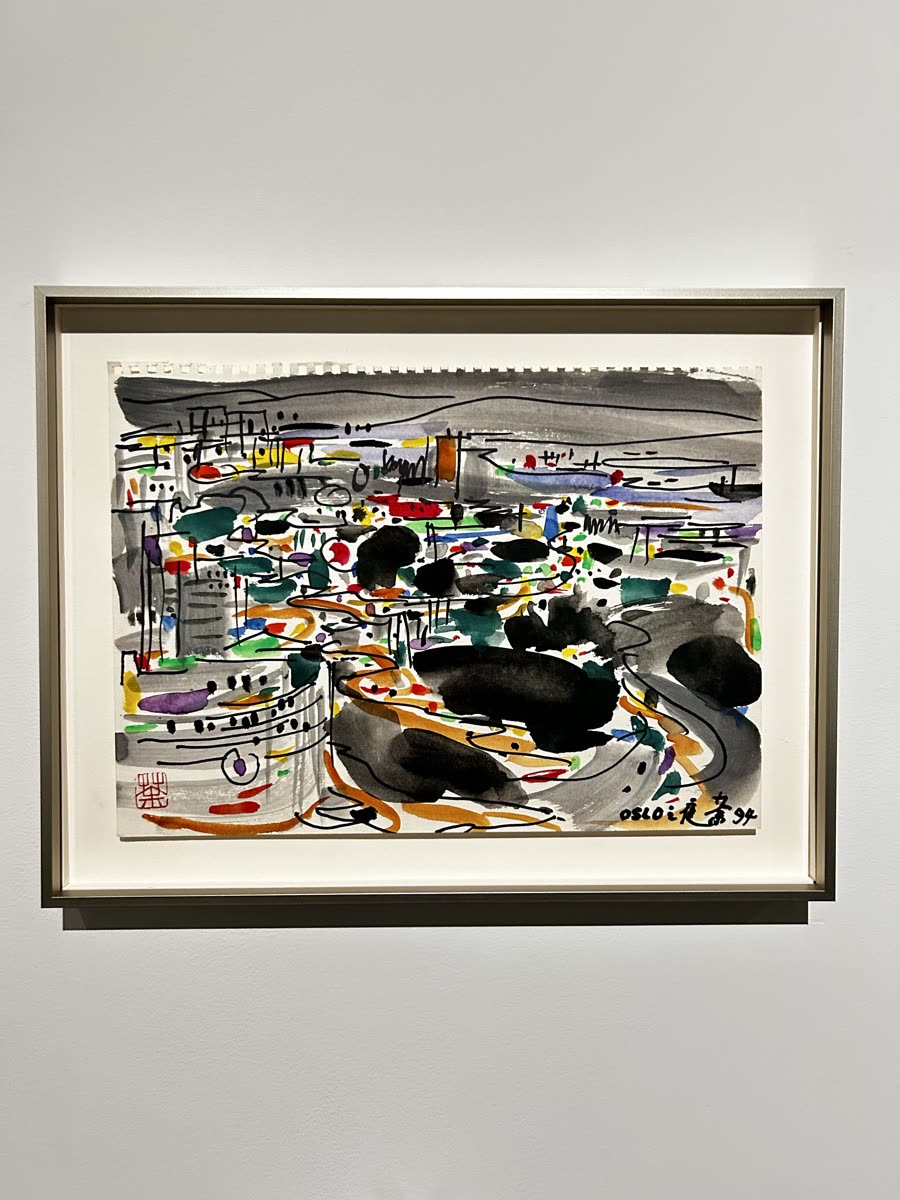

Obligatory duck
It is all obligatory duck now
The other site has one duck at the bottom of this page, as a reward for reading about threat models. This site has sixteen and a diagram about blood vessels, which is either an improvement or a warning.
Go and look at themGet in touch, sort of
There's no contact form here, because a form is a thing that collects data. Corrections — including duck corrections, which I would genuinely like — are best sent as an issue or a pull request on GitHub, so the fix and the reasoning are both public.